
Photo: Koalisi Seni/Amalia Ikhlasanti
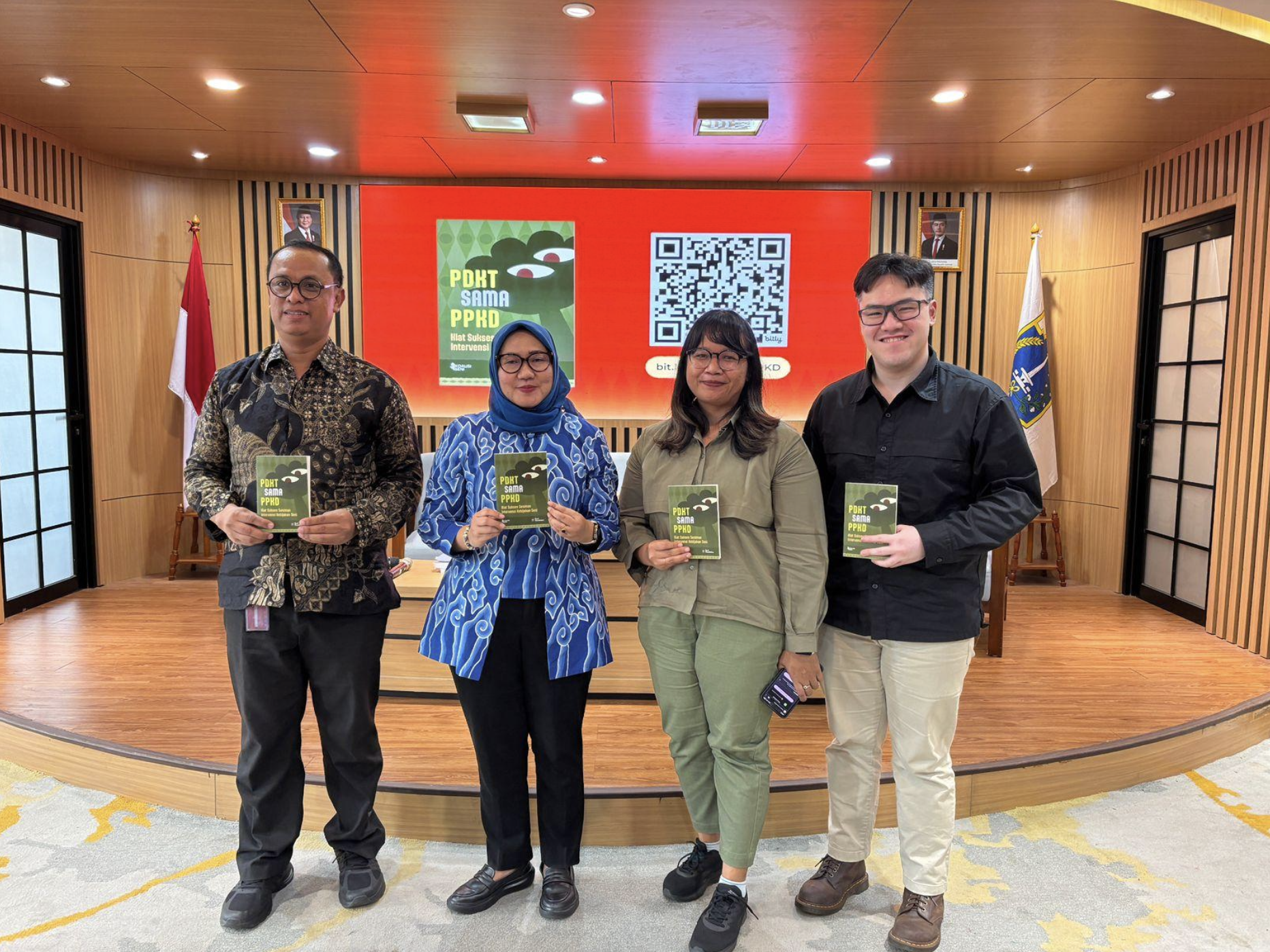
Jakarta, 26 February 2026 – Koalisi Seni launched a guidebook on Pokok Pikiran Kebudayaan Daerah (PPKD) for artists titled “PDKT sama PPKD: Kiat Sukses Seniman Intervensi Kebijakan Seni” at Balai Sastra HB Jassin, located within Taman Ismail Marzuki. The launch marked an effort to reintroduce PPKD as a strategic document that should connect cultural work with public policy.
PPKD serves as one of the primary references for advancing national cultural development and as the foundation for drafting the Cultural Strategy. The document outlines the current cultural conditions in each region, including an inventory of human resources, infrastructure, objects of cultural advancement, as well as identified issues and policy recommendations. Its preparation is designed to be participatory, using a bottom-up approach that involves artists, academics, communities, and local governments.
However, based on Koalisi Seni’s observations, the drafting process of PPKD in various regions rarely involves artists in a meaningful way. As a result, a document that is meant to represent on-the-ground realities often ends up as merely an administrative requirement, disconnected from the dynamics of cultural practice.
“When culture enters policy documents, the voices of cultural practitioners often disappear. In fact, they are the ones who best understand the realities on the ground,” said Hafez Gumay, Advocacy Manager of Koalisi Seni.
This guidebook was developed to help artists understand the strategic position of PPKD while encouraging their active participation in regional development planning processes, including advocating for cultural needs through policy channels.
During the launch session, representatives from central and regional governments shared challenges in implementing PPKD. Maruhal Mangasi Tunas Sijabat from the Regional Development Planning Agency of DKI Jakarta Province (Bappeda Provinsi DKI Jakarta) explained that integrating cultural issues into development planning is not simple, as they must compete with other sectors within comprehensive regional planning documents.
Meanwhile, Annisa Rengganis from the Ministry of Culture (Kementerian Kebudayaan) emphasized that PPKD has a direct impact on the direction of cultural policy and budgeting at the regional level. She noted that policies are often misaligned with on-the-ground needs due to the limited involvement of artists in drafting the document.
“Those who truly understand the pain of the cultural ecosystem are the artists. That is why their involvement in drafting the PPKD is crucial to prevent policy misdiagnosis. What is the illness? What is the remedy?” she said.
From an implementation perspective, a representative from the Ministry of Home Affairs (Kementerian Dalam Negeri) added that other challenges include funding limitations and maintaining document quality amid frequent personnel changes within local governments. PPKD, they noted, needs cross-sector collaboration and alternative financing beyond the regional budget (APBD) to ensure the sustainability of cultural programs.
Through the launch of this guidebook, Koalisi Seni hopes that PPKD will no longer be viewed merely as an administrative document, but as a shared advocacy platform that ensures arts policies are more relevant, participatory, and impactful for Indonesia’s arts and cultural ecosystem.
Written by: Amalia Ikhlasanti