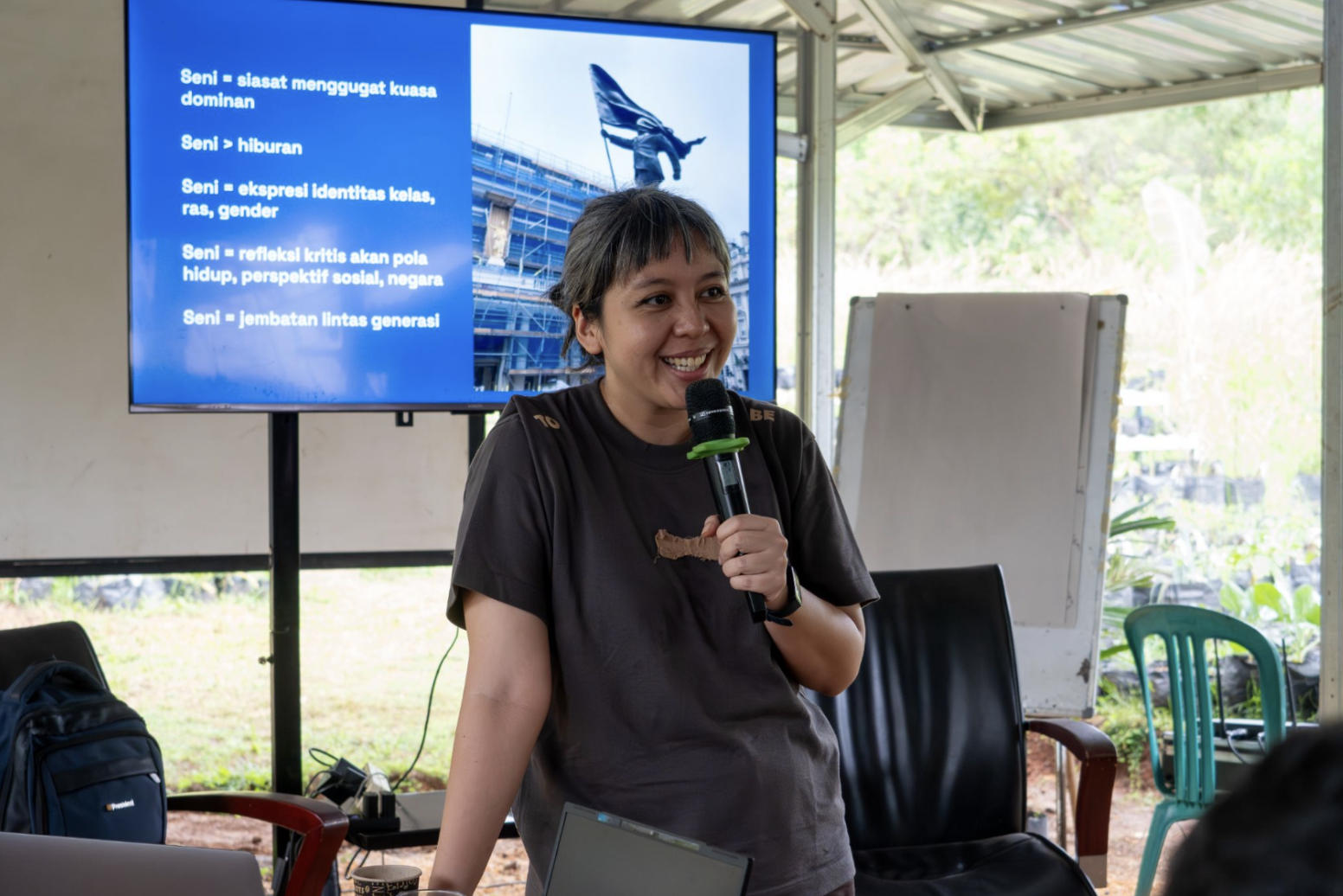

Photo: Koalisi Seni
From 18–25 May 2026, Koalisi Seni collaborated with Yayasan Lintas Batas to organize the Coastal Communities Conference (CCC) in Kuningan and Cirebon, West Java. The conference served as a shared learning space, bringing together artists, Indigenous communities, activists, cultural workers, and social movement practitioners from across Indonesia to build solidarity, exchange knowledge, and develop collective strategies for addressing environmental challenges, cultural issues, and artistic freedom.
This collaboration formed part of Koalisi Seni’s Natural Resources and Climate Justice (NRCJ) Program, which fosters connections between artistic practice, Indigenous knowledge, and climate justice movements. Grounded in the belief that environmental crises cannot be separated from the sustainability of arts and cultural ecosystems, the conference created opportunities for mutual learning while strengthening cross-disciplinary networks.
Over the course of eight days, participants took part in workshops, discussions, artistic performances, film screenings, and field visits. These activities were designed not only to facilitate the exchange of experiences but also to explore cultural practices that have emerged from communities’ close relationships with their natural environments.
As part of the conference, Koalisi Seni facilitated several learning sessions focusing on cultural policy advocacy and the protection of artistic freedom.
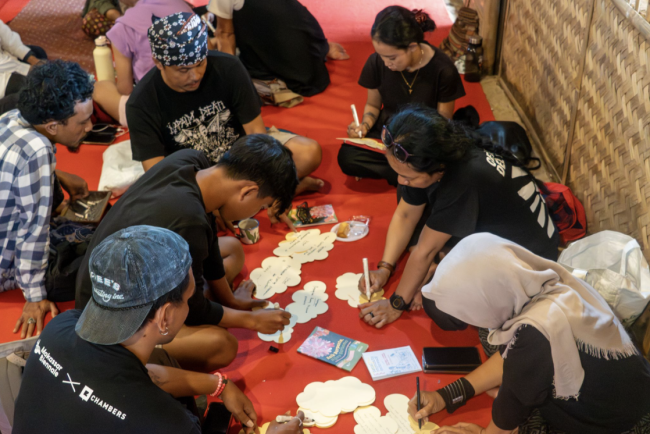
Photo: Koalisi Seni
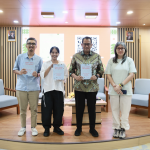
One of these was the Rancang Bangun Tambal Sulam workshop, a collaborative space where participants mapped the interconnected challenges facing the arts and the environment while exploring possibilities for future collective action. Through a participatory approach, participants shared experiences from their respective regions and developed strategies to make artistic practices more environmentally sustainable while strengthening inter-community networks for knowledge and resource sharing.
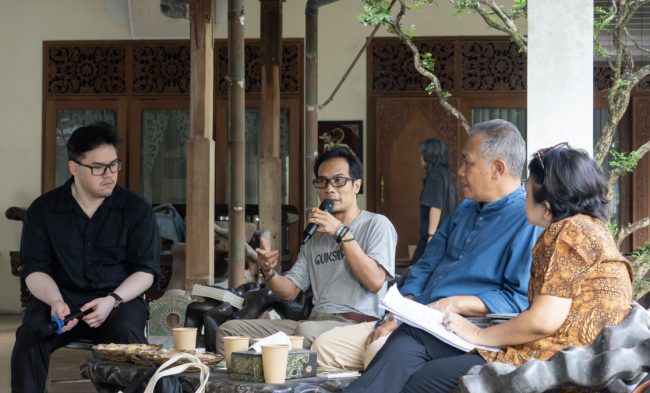
Photo: Koalisi Seni
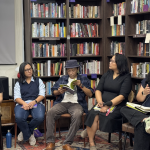
Koalisi Seni also organized the public discussion SPPG di PPKD (Artists Need to Understand the Dynamics of Regional Cultural Thought Documents) as part of the dissemination of the PDKT sama PPKD guidebook. The discussion brought together artists, cultural workers, local government representatives, and Indigenous communities to revisit the role of the Regional Cultural Thought Document (Pokok Pikiran Kebudayaan Daerah/PPKD) as a participatory mechanism in the formulation of cultural policies.
Through this forum, participants explored how the PPKD can serve as a bridge between cultural practices on the ground and regional development planning processes. Koalisi Seni also encouraged more artists to understand and utilize the PPKD as an advocacy tool so that cultural policies better reflect the real needs and experiences of arts practitioners.
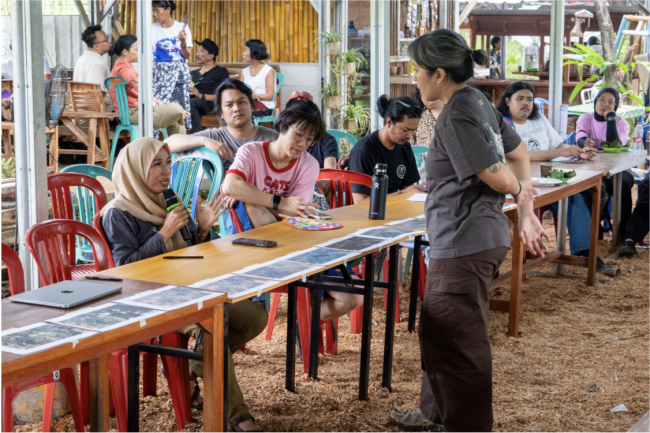
Photo: Koalisi Seni
In addition, Koalisi Seni facilitated a Risk Mitigation for Violations of Artistic Freedom workshop, which examined the various challenges faced by artists in Indonesia. Using case studies and group discussions, participants collectively identified different forms of threats, assessed their potential impacts, and explored mitigation strategies and support systems that can be built collaboratively.
The workshop was informed by Koalisi Seni’s annual monitoring, which shows that violations of artistic freedom continue to occur in various forms, ranging from censorship and intimidation to restrictions on freedom of expression. Through this session, participants not only shared experiences from different regions but also strengthened their collective capacity to respond to these risks.
The gathering also highlighted the interconnected nature of environmental issues, Indigenous peoples’ rights, artistic freedom, and public policy. Many participants shared how environmental change has directly affected their living spaces, cultural practices, and the sustainability of artistic work within their communities.
For Koalisi Seni, learning spaces such as the Coastal Communities Conference are an essential part of its advocacy efforts. Policy change is shaped not only through research and recommendations but also through meaningful encounters that bring together diverse experiences, knowledge systems, and practices from across different regions.
Through this collaboration, Koalisi Seni hopes that the networks established during the conference will continue to grow into a collective movement that advances artistic freedom, cultural development, and climate justice in a sustainable and lasting way.